

Ceremony + Reception Design: Wedding Candle Ideas-How Candlelight Transforms Ceremony and Reception Spaces
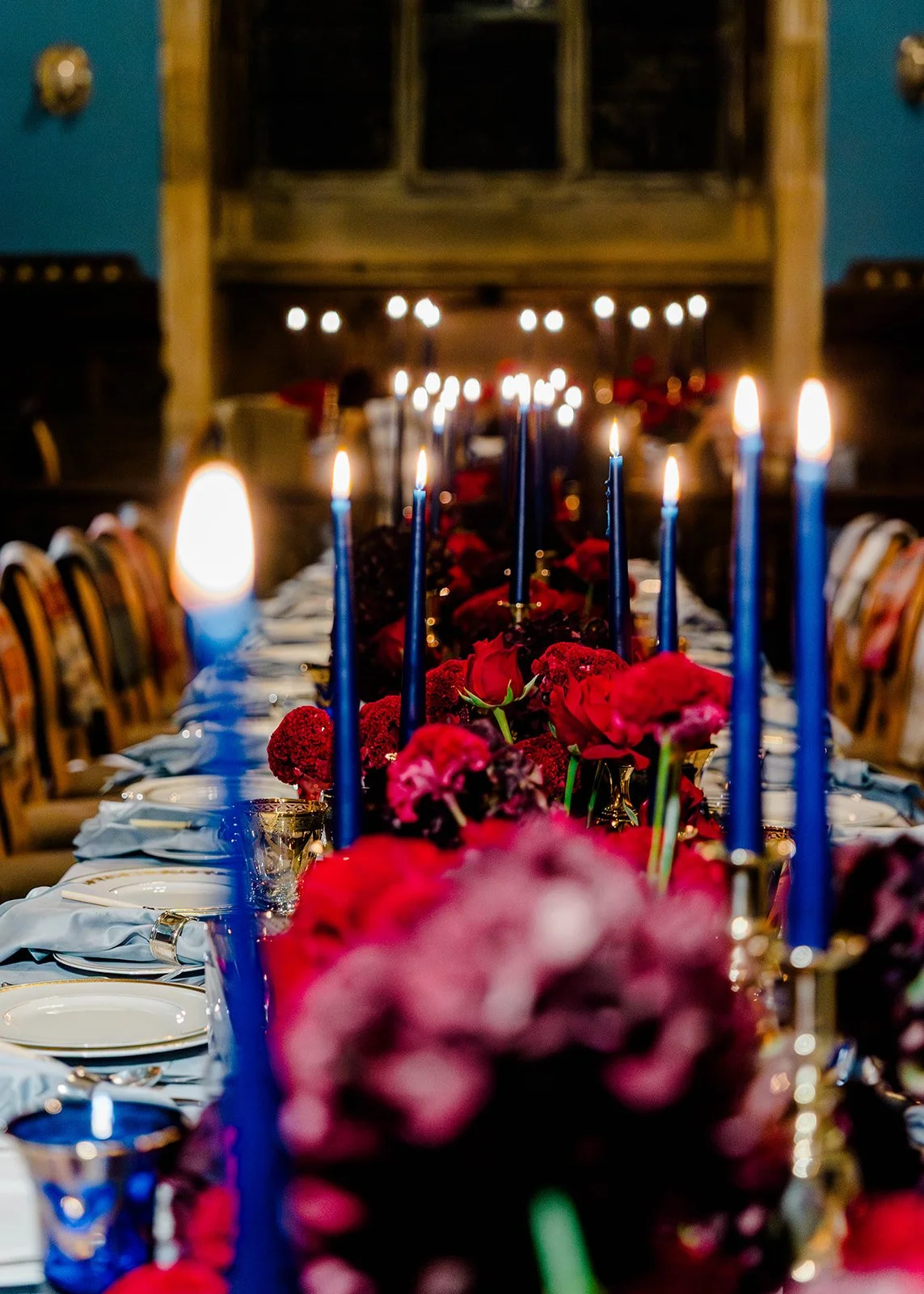
Photographed by: Amairia Thompson Photography
When couples begin designing their wedding, flowers are often the first element they consider. Florals establish the visual direction, but candlelight changes how the entire space is experienced. Candlelight softens a room, highlights floral textures, and adds warmth and depth that overhead lighting simply cannot replicate. Guests may not count every flame, but they immediately notice the glow when they enter. At Fashionable Florist, a boutique floral atelier serving Houston, The Woodlands, and surrounding Texas venues, we design candles alongside wedding florals, linens, tablescapes, and the architecture of the venue. The result feels composed rather than merely decorated.
From ceremony aisles and reception tables to candle quantities, venue flame rules, and ambient lighting with lamps, here is how to use candlelight throughout your wedding design.
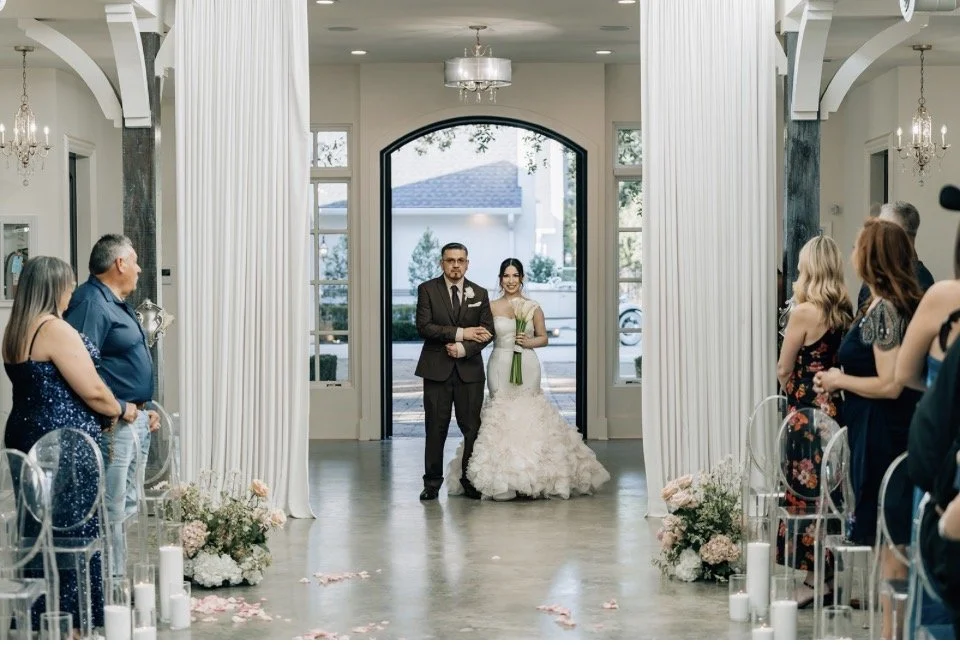
Wedding Ceremony Candle Ideas
Candles aren’t reserved for reception tables. During the ceremony, they can define the aisle, frame the couple, and give the entire space greater visual depth. Some of the most effective ceremony candle placements include:
Along the ceremony aisle
Glass cylinders, hurricanes, or lanterns can create a glowing pathway that leads the eye toward the ceremony setting. The candle groupings need enough scale and repetition to remain visible from the back of the aisle and in wide-angle photographs.
Around the ceremony backdrop
Candles placed at the base of an arch, cross, floral installation, or architectural feature add warmth without competing with the primary design.
In layered groupings at the ceremony focal point
Pillar candles, floating candles, and tapers arranged at varied heights create dimension around the couple and keep the design from appearing flat.
Paired with ground florals
Low floral arrangements woven between candle clusters can soften the aisle or ceremony setting while allowing both elements to read as one cohesive design.
For outdoor ceremonies, real flames usually need protection from wind with glass cylinders, chimneys, hurricanes, or lanterns. Venue rules still apply, and some locations require faux candles along the aisle even when real candles are permitted elsewhere.
The strongest ceremony candle designs don’t scatter a few flames around the space and call it finished. They use repetition, scale, and varied heights to connect the aisle, florals, and ceremony focal point.
Photographed by: Katia G Photography
Why Candle Placement Matters in Ceremony Photos
Couples often consider how candles will look in person without realizing that placement also determines whether they appear in ceremony photographs. Photographers use foreground, repetition, and varied depths to create dimensional images. Candle clusters placed near the ceremony setting, at the entrance to the aisle, or beside the front rows can frame the couple and create a visible path through wider photographs. Candles placed too far from the action—or spaced too widely—may disappear entirely in a wide shot. A few flames can look substantial up close but barely register from the back of the ceremony space.
For the strongest visual effect, I frequently layer candles around:
Ceremony arches, crosses, or floral installations
The base of altar arrangements
The entrance to the aisle
The front rows of ceremony seating
Ground florals along the aisle
The goal isn’t simply to line the aisle with candles. It’s to place enough candlelight where the camera and the guests will actually experience it. A properly scaled candle design draws the eye forward, adds depth around the couple, and gives the aisle a stronger sense of movement from the first entrance through the recessional.
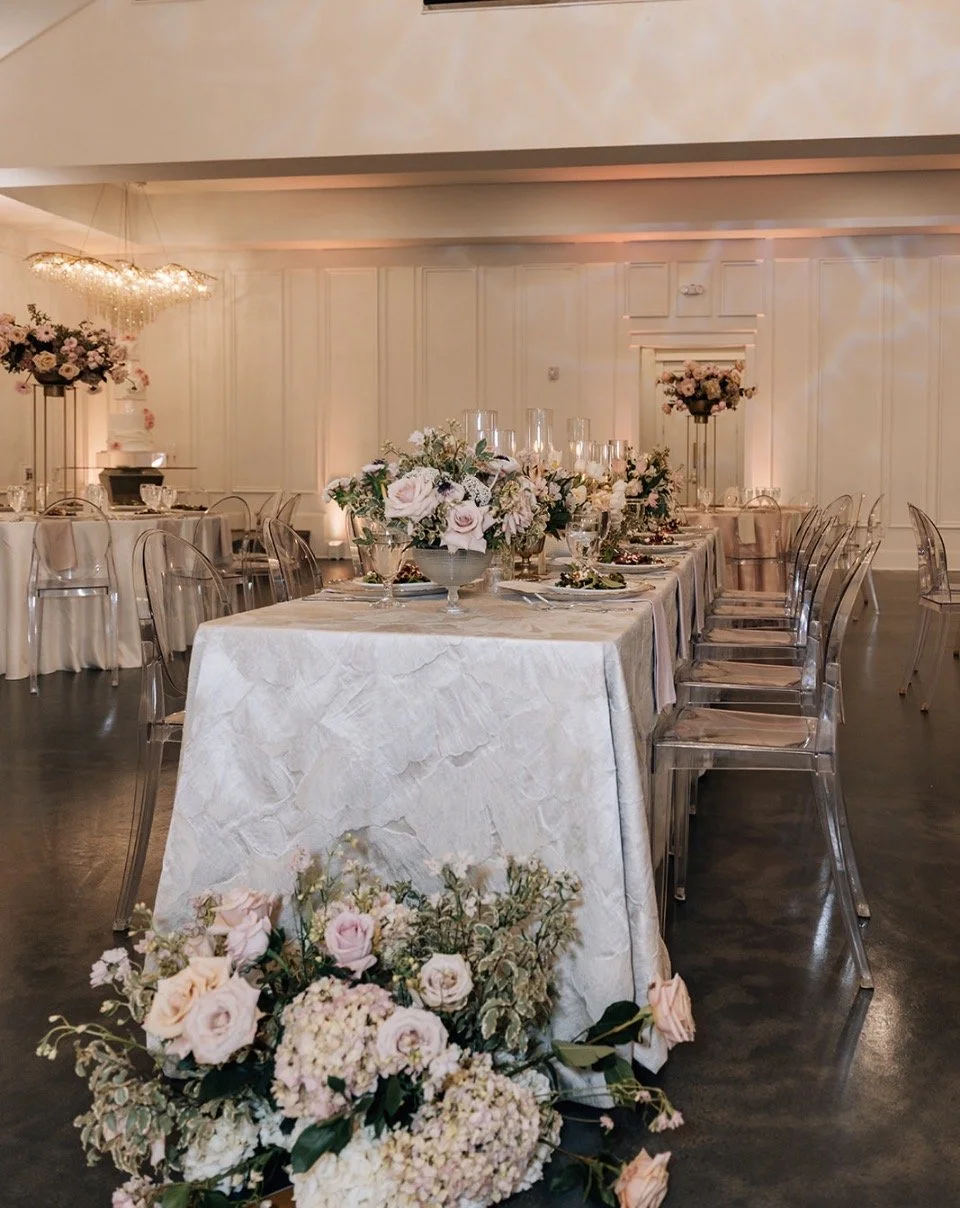
Incorporating Candles Into Wedding Centerpieces
At the reception, candles become part of the tablescape. Layered around floral centerpieces, they add varied heights, illuminate the flowers, and carry a warm glow across the room. A single candle—or one matching pair—often looks more like an accessory than a complete candle design. The strongest tablescapes combine multiple points of light and distribute them around the centerpiece so the table feels balanced from every angle.
Some of the most effective centerpiece combinations include:
Floral compotes with taper candles
Taper candles add height and structure around a floral compote without blocking conversation across the table. The tapers should be distributed around the arrangement rather than placed as one matching pair on either side.
Low arrangements surrounded by votives
Votives create a lower layer of light around the centerpiece, illuminating the flowers from several angles and filling the visual gaps between taller candles.
Glass cylinders with floating candles
Floating candles introduce another height and shape without competing with the florals. Graduated cylinders can be grouped around round centerpieces or repeated down long banquet tables to create a continuous line of candlelight.
Mixed-height candle groupings
Combining tapers, floating candles, pillars, and votives gives the tablescape rhythm and depth. Each candle type plays a different role: taller candles create structure, while votives fill the lower spaces and help connect the individual groupings.
Couples often search for wedding candle centerpiece ideas after seeing heavily layered tables online. The part that is easy to miss is quantity. That full, glowing look rarely comes from one pair of tapers or three votives. It comes from combining multiple candle types, heights, and points of light in proportions that suit the size of the table.
How Many Candles Should Be on Reception Tables?
One of the most common questions couples ask is how many candles belong on each reception table. The answer depends on the size of the table and the type of candlelight being used. Many venue or rental packages include three candles per table, often a small cluster of votives. While that technically adds candlelight, it rarely creates the layered, abundant glow seen in editorial wedding photographs. A 60-inch round table may include five taper and/or floating candles plus three to five votives, creating approximately eight to ten points of candlelight. A 72-inch round may use seven to nine taper and/or floating candles plus five to nine votives, bringing the total to 12–18 candles per table. Across a full reception, the candle count can quickly reach 100–200—or several hundred for a candle-heavy design—once the ceremony, cocktail tables, bars, lounges, and other focal areas are included. The larger surface needs more repetition for the candlelight to feel balanced and remain visible across the reception room.
A layered candle design might include:
Taper candles for height and structure
Floating candles for varied shapes and levels
Votives to fill the spaces between taller candles
Pillar candles when the tablescape needs greater visual weight
The final combination should account for the centerpiece, place settings, glassware, menus, table numbers, and food-service style. Candlelight should feel abundant, but guests still need room to dine without navigating an obstacle course of glass. Mixing candle types and heights keeps the tablescape from appearing flat and distributes the glow across the entire table. Three lonely votives may satisfy a rental package, but they will not create the candle-heavy look most couples are actually saving online.
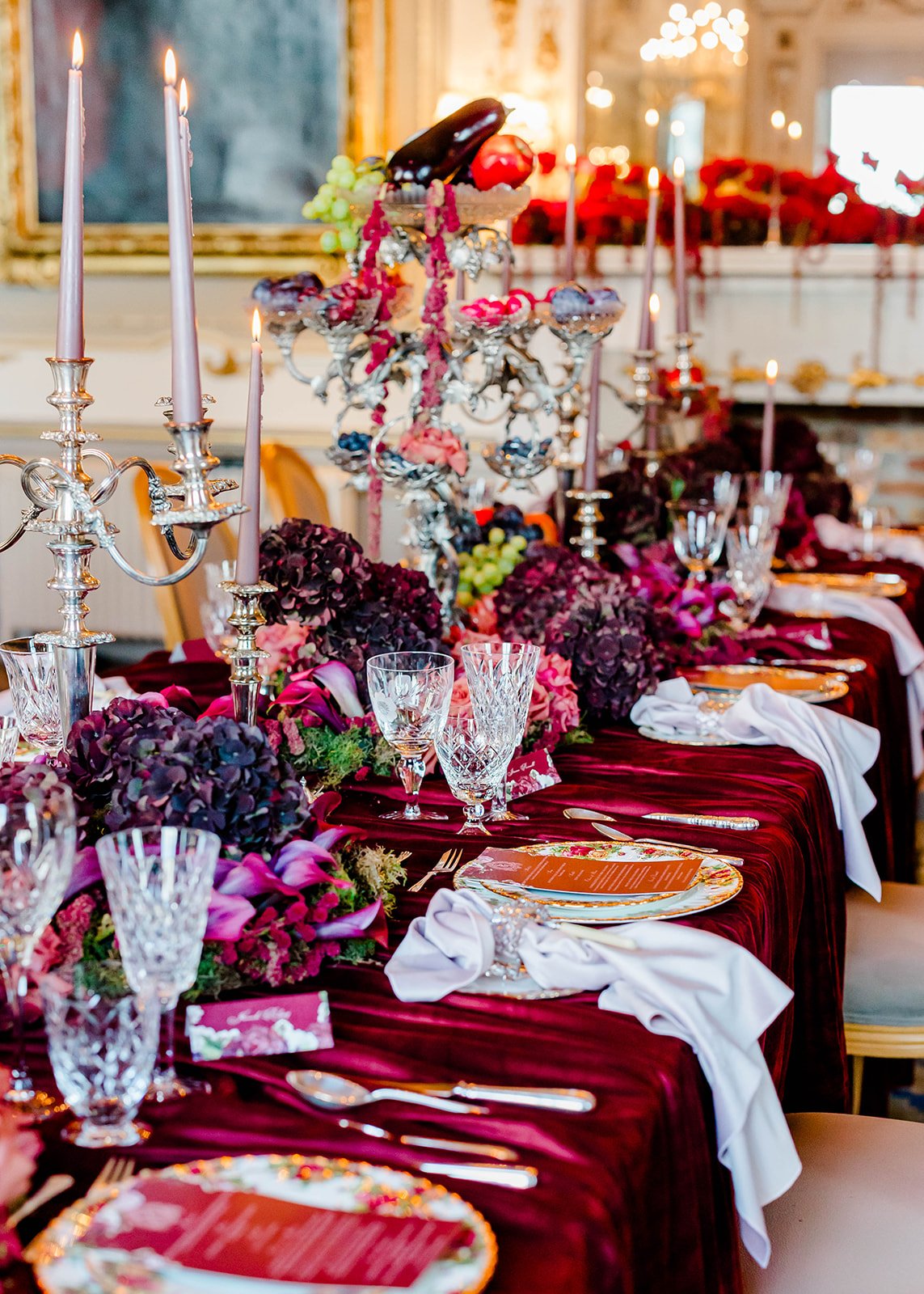
Can Wedding Candles Be a Different Color?
Absolutely. Ivory and white are the defaults, but colored tapers can connect the candle design to the flowers, linens, stationery, or another detail in the room.
Consider:
Lavender or mauve tapers with garden-style florals
Chartreuse tapers that pull green tones from the arrangements
Soft blush candles within a tonal pink palette
Deep plum, rust, chocolate, or black candles for greater contrast
The candle color doesn’t need to match the flowers exactly. In fact, a slightly deeper or more unexpected shade often gives the tablescape greater dimension than a perfect match.
Colored candles can make a noticeable visual difference without changing the structure of the design. Availability, burn time, venue requirements, and the number of candles needed should be confirmed before committing to a particular shade. The right color makes the candles feel like part of the tablescape—not an afterthought ordered in ivory.
Photographed by: Amairia Thompson Photography
How Much Do Wedding Candles Typically Cost?
One of the biggest surprises couples encounter during planning is how quickly candle quantities and the work behind them add up. Across a full reception, the candle count can quickly reach 100–200—or several hundred for a candle-heavy design—once candles are added to:
Guest tables
The ceremony aisle and focal point
Cocktail tables and bars
The sweetheart or head table
Welcome and seating displays
Cake tables, lounges, and architectural features
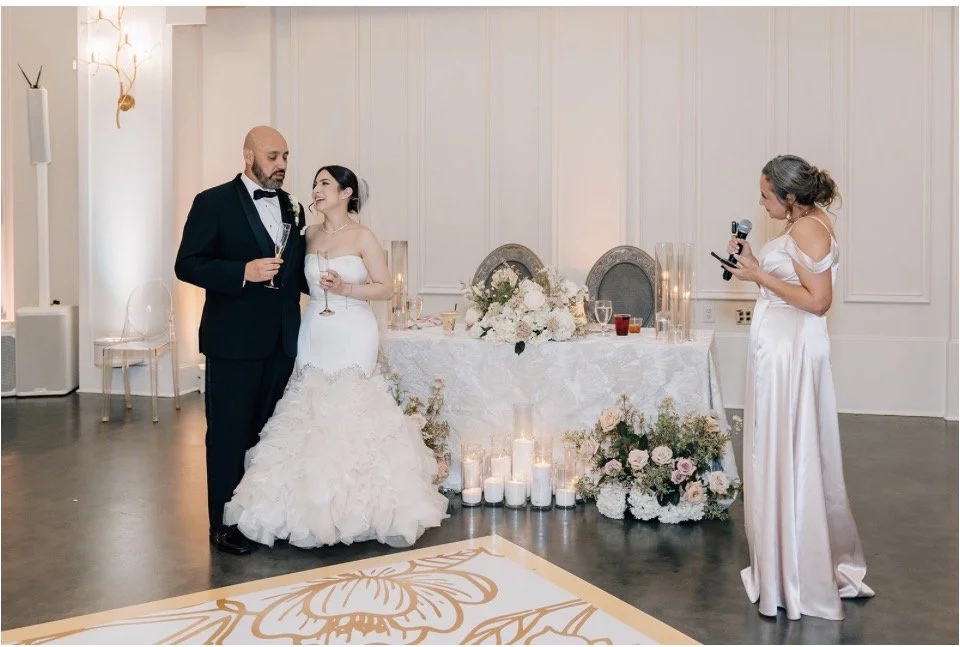
The cost depends on the candle quantities, styles, holder sizes, burn time, venue requirements, and number of spaces being styled. Renting individual candleholders is also priced very differently from hiring a designer to manage the complete installation. Full-service candle styling may include design planning, candles and holders, packing, delivery, installation, lighting, post-event strike, glass cleaning, wax removal, and replacement risk. Smaller standalone candle-styling services may begin around $1,000, while candle-heavy ceremony and reception designs can require an investment of several thousand dollars.
Candle quality also matters. I prefer Yummi Candles because they burn evenly and, in my experience, produce very little dripping. A cleaner burn protects linens, reduces wax buildup on holders, and helps the candle design look polished throughout the reception. Quality candles may cost more upfront, but they reduce the risk of uneven flames, excessive wax, and candles burning out before the night is over. Room conditions matter, too: air from overhead vents can cause flames to flicker unevenly, increase dripping, and shorten burn time, so HVAC placement should be considered when positioning reception tables and candles.
For many couples, renting candles through a floral or event designer is more practical than purchasing everything individually. It eliminates the need to source compatible pieces, transport fragile glassware, install and light dozens—or hundreds—of candles, return after the reception for retrieval, and clean wax from every holder.
Photographed by Katia G Photography
Full-Service Wedding Candle Styling
At Fashionable Florist, candlelight is designed as part of the room, not selected piece by piece as an afterthought. Candle styling can be incorporated into the floral design or booked as a standalone service for Houston and The Woodlands weddings. We curate the candle and holder styles, determine the quantities and scale required for each space, and plan how the candlelight will interact with the florals, linens, tables, and venue architecture. Full-service styling may also include delivery, installation, lighting, post-event strike, and retrieval.
The result is one cohesive composition rather than flowers in one corner, candles in another, and a room that never quite pulls itself together.
Layering Candles, Table Lamps + Uplighting
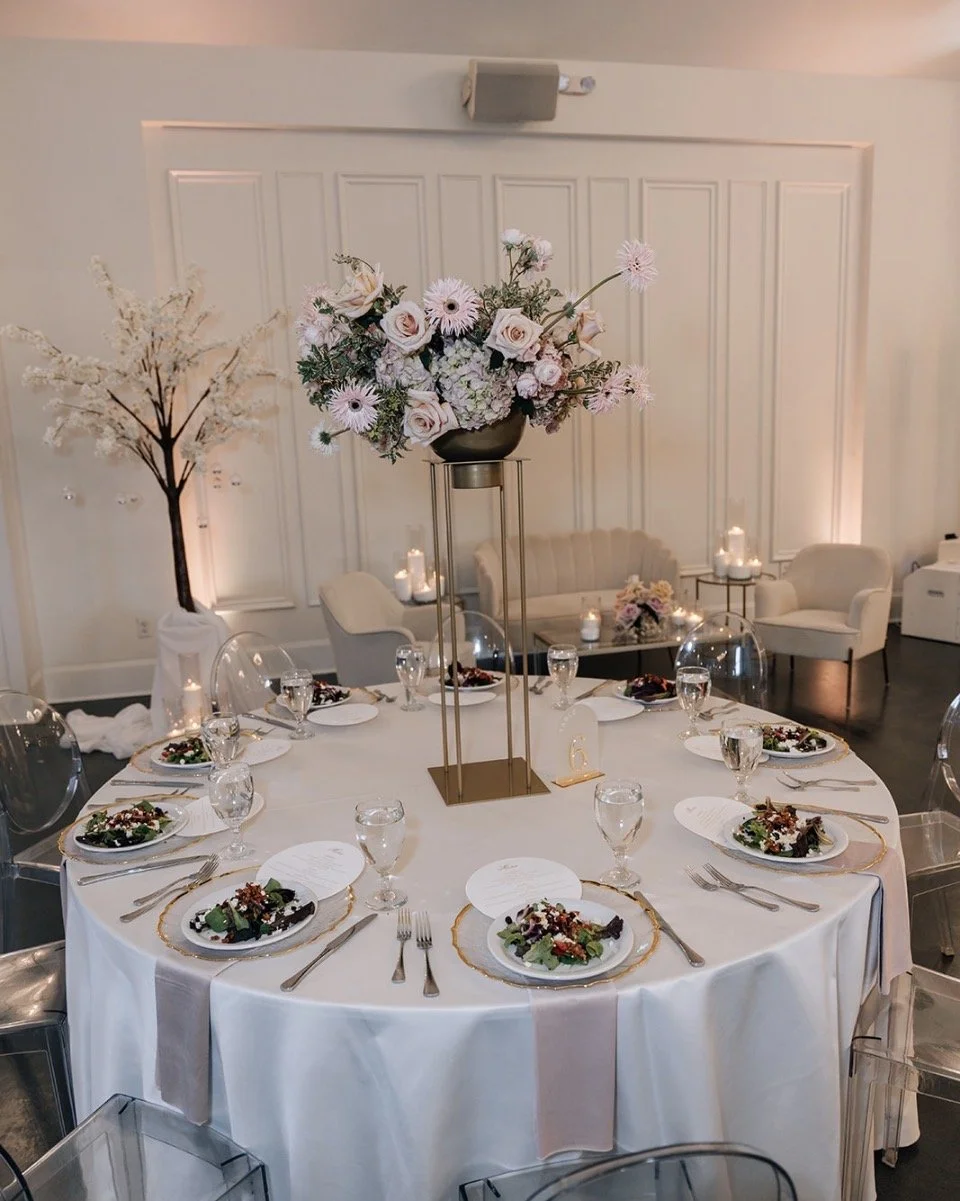
Candles create flicker, lamps create pools of light, and uplighting gives the room depth. Used together, they create a layered lighting plan that works from the tabletop to the architecture.
Decorative table lamps
Cordless lamps bring a steady ambient glow to reception tables, long banquet tables, bars, lounges, sweetheart tables, welcome displays, and cake tables. They add a fashion-forward detail while illuminating a broader area than candles alone. Lamps complement candlelight rather than replace it.
Venue uplighting
Uplighting from the DJ or lighting team washes walls, columns, and architectural details with color. It establishes the broader mood of the room, while candles and lamps provide warmth closer to guests.
The color temperatures should also work together. Cool white uplighting paired with warm candlelight can feel disconnected, while complementary tones allow the flowers, linens, candles, and architecture to read as one complete design.
Why Candlelight Makes Such a Difference
Floral design establishes the visual direction of a wedding, but lighting changes how the entire space is experienced.
When candles, florals, table lamps, and architectural lighting work together, the room gains warmth, depth, and dimension. Guests may not identify every design decision, but they notice the atmosphere the moment they enter.
Photographed by Katia G Photography
That layered approach turns separate decorative elements into one cohesive environment—and keeps the room from falling flat once the overhead lights are lowered.
If you’re planning a wedding in Houston or The Woodlands, Fashionable Florist offers full-service floral design and candle styling for ceremony and reception spaces. Begin with a Floral Fitting to explore how flowers, candlelight, and ambient lighting can bring the entire room together.
Wedding Candle FAQ
How many candles should be on a wedding reception table?
For a 60-inch round table, I typically recommend five taper and/or floating candles, plus three to five votives. A 72-inch round table generally needs seven to nine taper and/or floating candles, plus five to nine votives. The centerpiece size, place settings, glassware, and meal service also affect the final count.
Are floating candles or taper candles better for weddings?
Neither is inherently better; they serve different roles. Taper candles add height and structure, while floating candles provide a softer point of light at varied levels. Combining both—and adding votives as the lower layer—creates a more dimensional tablescape.
How many candles are typically used at a wedding reception?
A wedding reception can easily use 100–200 candles, with candle-heavy designs requiring several hundred. The total depends on the number and size of guest tables and whether candlelight is also used around the ceremony, bar, cocktail tables, sweetheart table, lounges, and other focal areas.
Are colored candles popular for weddings?
Yes. Colored tapers can connect the candle design to the florals, linens, stationery, or overall palette. Lavender, mauve, chartreuse, blush, plum, chocolate, rust, and black can all add dimension without matching the flowers exactly. Availability, burn time, and venue requirements should be confirmed before selecting a color.
