

Wedding Flower Education: The Real Cost of Wedding Flowers in Houston
Last updated: July 2026
If you’ve started researching wedding flowers in Houston, you’ve probably noticed that pricing varies dramatically. One source suggests $2,000, while another recommends $10,000 or more. Meanwhile, Pinterest rarely reveals the budget, labor, or mechanics behind the lavish floral designs filling your saved boards.
Wedding flowers aren’t a retail purchase. They’re a custom design service shaped by your venue, guest count, floral selections, design scale, installation requirements, and overall vision. The investment covers far more than the flowers you see on the wedding day.
In this guide, I’ll break down what wedding flowers typically cost in Houston, why florist pricing varies, what your investment includes, and how to prioritize your budget without watering down the entire design.
What Is the Average Cost of Wedding Flowers in Houston?
For full-service wedding flowers in Houston, a realistic investment often begins between $4,000 and $8,000, depending on the guest count, venue, flower selection, and scale of the design. Weddings featuring statement ceremony flowers, large installations, or extensively styled receptions may require $8,000 to $15,000 or more.
The final cost is shaped by:
The number and size of guest-table centerpieces
Personal flowers for the wedding party
Ceremony flowers and statement installations
Flower varieties, seasonality, and availability
Design scale and mechanical complexity
Delivery, production, installation, and post-event strike
A wedding with personal flowers and restrained centerpieces will require a very different budget from one featuring a floral ceremony structure, hanging installation, candle styling, and flowers throughout the reception.
These ranges provide a useful starting point, but the better question is not simply, “What do wedding flowers cost?” It is, “What can my floral investment accomplish in my venue?” Prioritizing the areas with the greatest visual impact creates a stronger overall design than spreading the budget too thin.

How Much Do Wedding Centerpieces Cost in Houston?
Wedding centerpieces often account for a significant portion of the floral budget because the design is repeated across every guest table. In Houston, centerpiece pricing may fall within these general ranges:
Bud-vase collection $20-$50 per table
Classic centerpiece $150–$250
Elevated centerpiece $300–$450
Statement centerpiece $450–$600+
Classic centerpieces are lower floral arrangements designed to add color and texture without interrupting conversation across the table.
Elevated centerpieces use taller vessels or raised floral designs to create height and shape the room visually. Their final cost depends heavily on the mechanics, floral volume, vessel, and installation requirements.
Statement centerpieces are larger, fuller, or more sculptural designs created to command attention. These may include premium flowers, dramatic branches, specialty vessels, or designs that extend beyond the standard footprint of a reception centerpiece.
Not every table needs to wear the same look. Mixing classic, elevated, and statement centerpieces gives the reception more dimension while directing the floral investment toward the tables and sightlines where it will make the strongest impression.
How Flower Selection Affects Your Investment
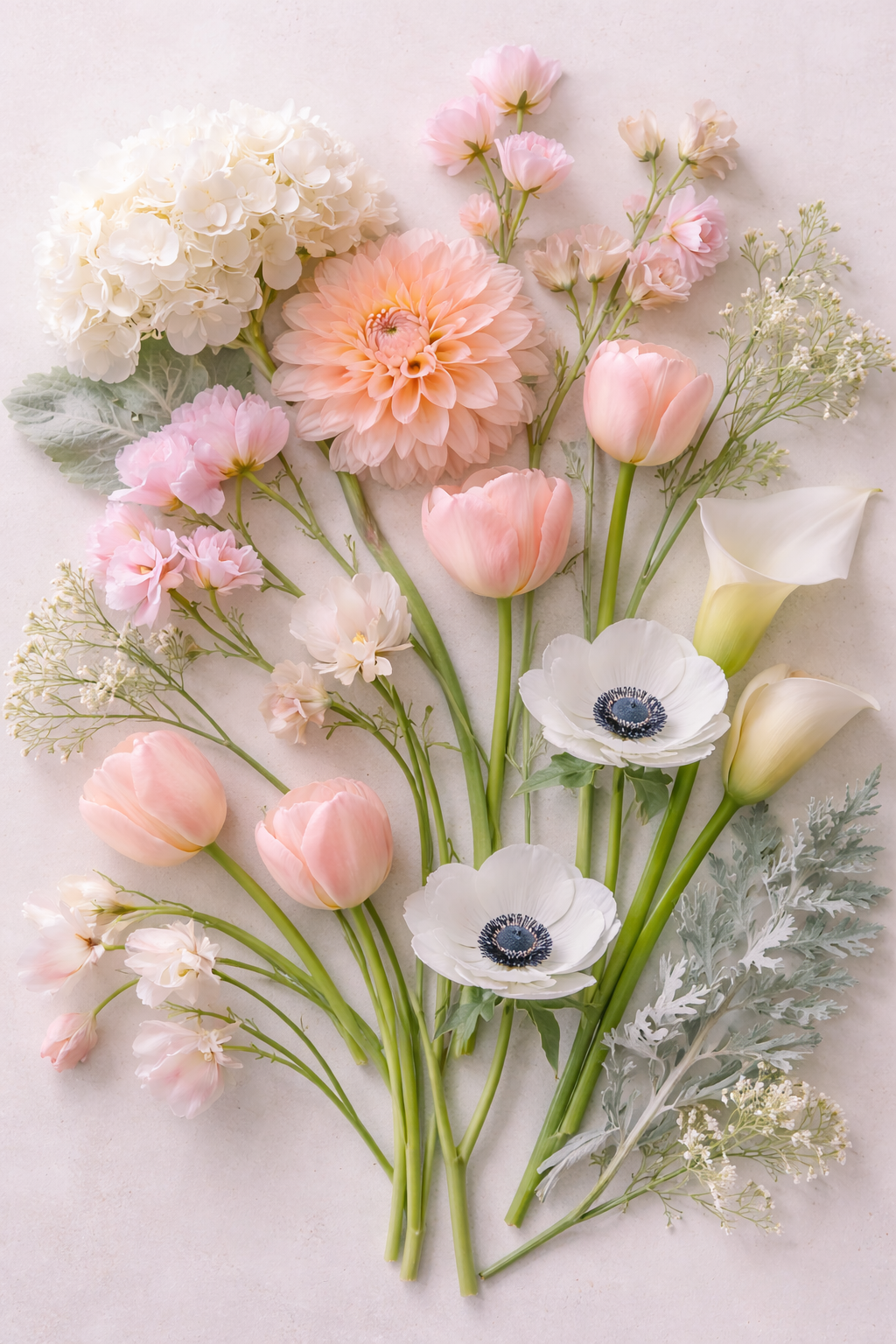
Many flowers used in Houston weddings are sourced from farms across South America, California, Europe, and other growing regions. Pricing and availability can shift throughout the year due to seasonality, weather, freight, transportation delays, and global supply. Garden roses, ranunculus, hydrangeas, calla lilies, sweet peas, and tulips are among the most requested wedding flowers. While each variety has its own price point, stem price alone doesn’t determine the final investment. The quantity needed to achieve the desired scale, processing time, potential stem loss, design mechanics, and installation requirements all affect the cost. Flower selection also has to make sense for the venue, season, and role each bloom will play. An experienced floral designer considers how flowers perform in Houston’s heat and humidity, particularly for outdoor ceremonies, bouquets, and installations exposed to the elements. More delicate varieties may still be used, but they may need to be placed in protected areas or paired with flowers that hold their shape more reliably.
The goal isn’t simply to select beautiful flowers. It’s to build a floral recipe that delivers the desired look, performs throughout the celebration, and uses the investment where it will be seen—and gasp-worthy.
Photographed by: Amy Cole Photography
Prioritize the Moments That Matter Most
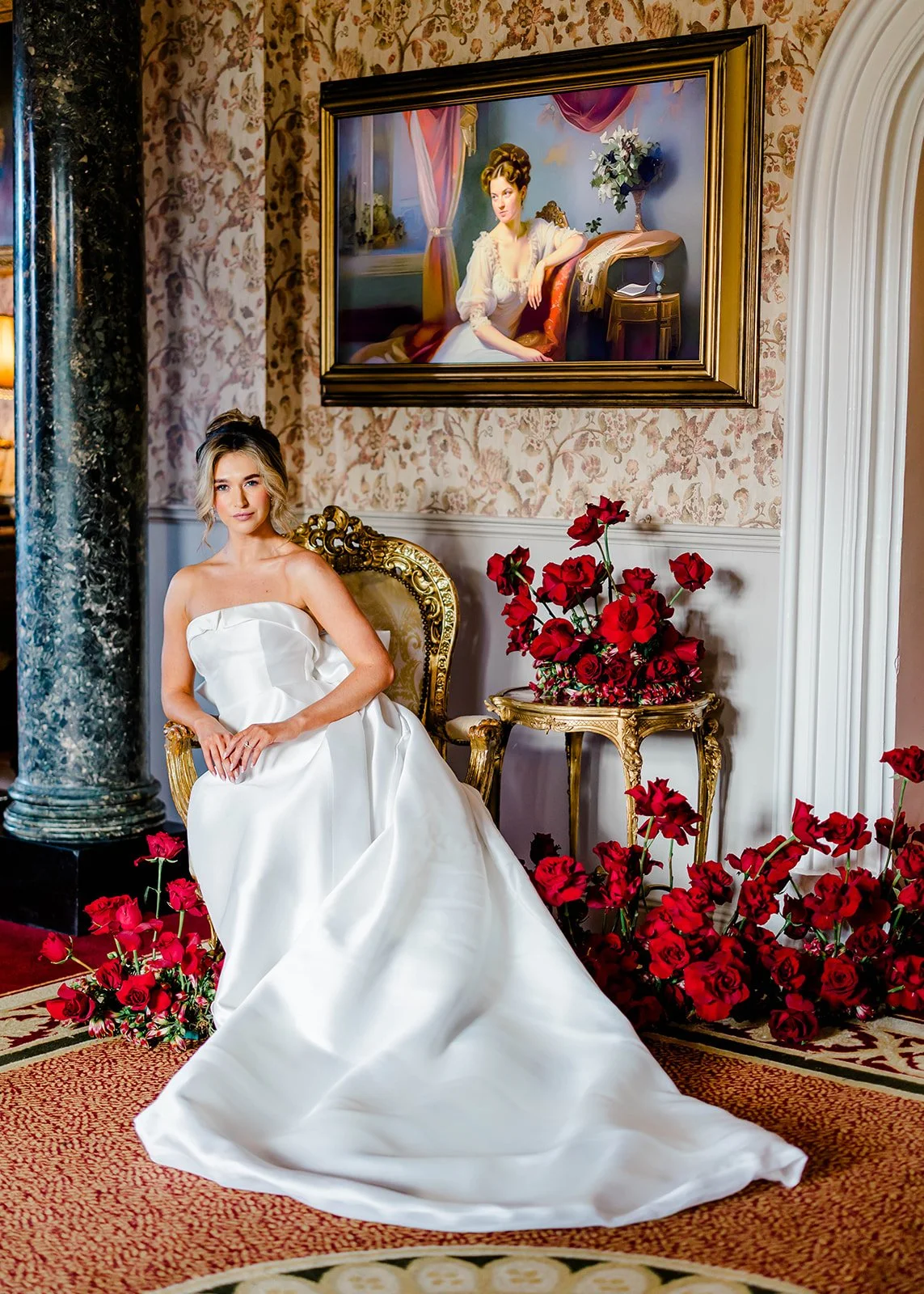
Custom floral design begins by identifying where flowers will make the strongest visual impact. Rather than spreading the budget evenly—and too thinly—across the entire venue, we prioritize the spaces that naturally command attention and shape how guests experience the celebration.
Common focal points include:
The ceremony backdrop
The sweetheart or head table
Entry, welcome, or escort-card displays
Statement guest tables
Bars, staircases, and other architectural features
Once those signature moments are established, the remaining floral elements create rhythm and continuity throughout the venue. This approach produces a stronger, more cohesive design while allowing the floral investment to deliver a few unforgettable moments instead of a room full of floral filler.
Photographed by: Amaeria Thompson Photography
How Seasonal Flowers Affect Wedding Flower Prices in Houston
Seasonality can influence floral availability and pricing, but choosing an in-season flower does not automatically make it inexpensive. Demand, growing conditions, stem quality, freight, color, and the number of farms producing a particular variety all affect its market price.
Some flowers commonly associated with each season include:
Spring: Ranunculus, sweet peas, tulips, lilac, and flowering branches
Summer: Garden roses, lisianthus, calla lilies, and local foliages
Fall: Dahlias, chrysanthemums, amaranthus, roses, and textural grasses
Winter: Anemones, ranunculus, tulips, hellebores, and evergreens
Many wedding flowers are available beyond their traditional growing season because Houston florists source from farms throughout the United States and around the world. However, availability can change quickly due to weather, freight delays, crop quality, holidays, and market demand. Instead of building the entire design around one exact flower, I recommend beginning with the desired color, shape, texture, and overall mood. This gives your floral designer room to select the strongest flowers available during your wedding week while protecting the visual direction of the design.
Seasonal substitutions aren’t a downgrade. Done well, they keep the floral recipe fresh, cohesive, and worthy of its place in the room.
Photographed by: Eventfully Erin
Why Wedding Flowers Cost More Than Everyday Bouquets
Wedding flowers aren’t simply everyday bouquets ordered in larger quantities. They require custom design, careful sourcing, extensive preparation, transportation, installation, and precise execution within a fixed window.
Flowers are perishable
Fresh flowers can arrive damaged, open too quickly, remain too tight, or fail to meet the required color and quality standards. Floral designers often order additional stems to account for product loss and ensure only the strongest blooms make it into the final designs.
Weddings operate on strict timelines
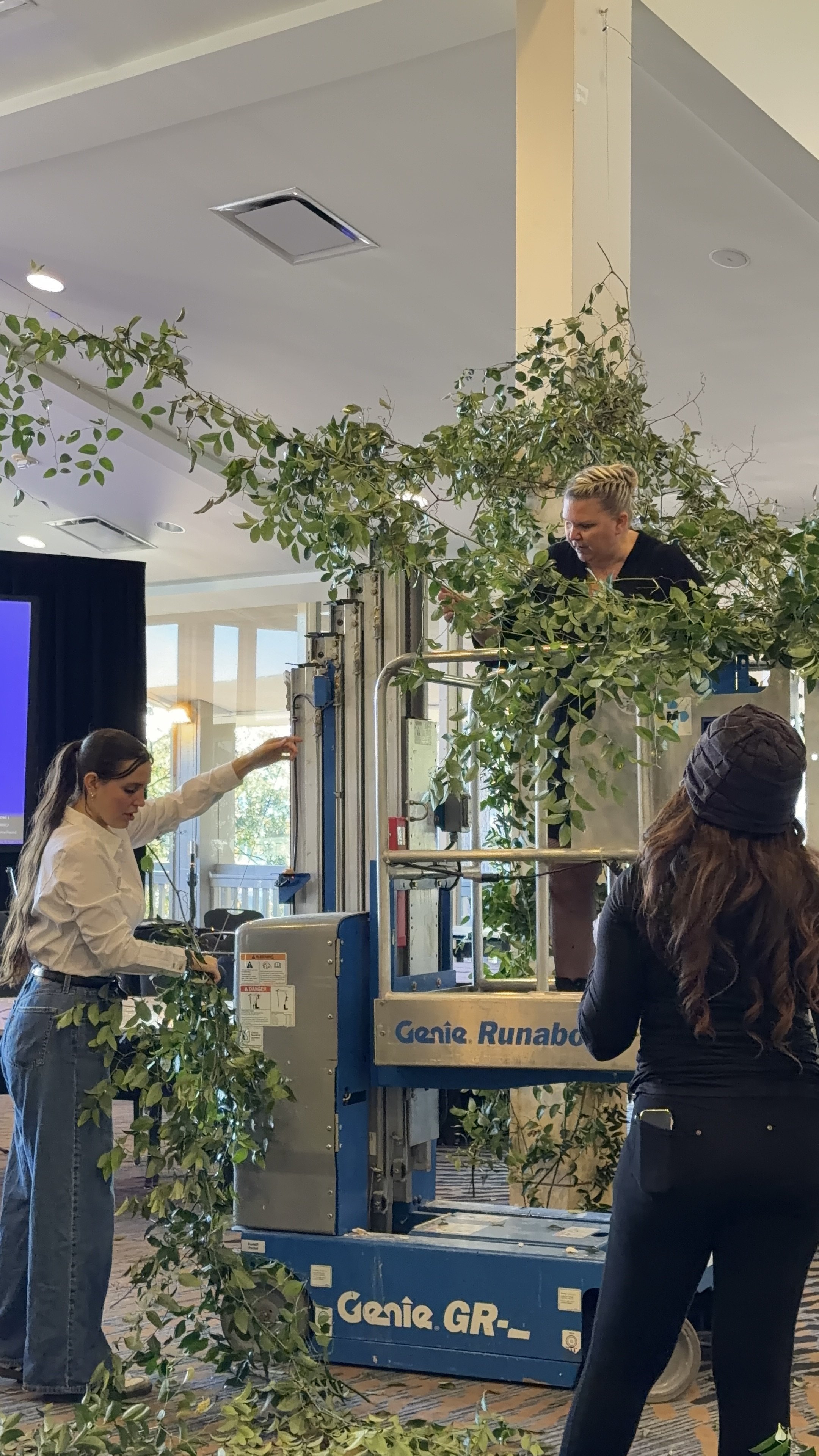
Flowers must be sourced, processed, conditioned, designed, packed, transported, and installed so they look their best at a specific time. Unlike everyday arrangements, wedding flowers may also require multiple vehicles, venue access coordination, ladders, staging equipment, and an installation team.
There is very little room for error
A damaged bouquet, unstable centerpiece, or shifting installation cannot simply be corrected the following day. Designers plan the mechanics carefully and bring backup flowers, tools, and supplies to handle problems on-site before guests enter the room.
Wedding floral design involves far more than arranging flowers
Behind every wedding is a production process involving concept development, consultations, proposals, sourcing, flower processing, design, packing, transportation, installation, styling, and post-event strike. Depending on the scale and complexity of the wedding, a floral team may invest 40 to 100 hours—or considerably more—before the final candleholder is packed away.
What Factors Influence the Cost of Wedding Flowers?
Several factors determine the final floral investment.
Flower varieties and availability
Garden roses, sweet peas, orchids, specialty imports, and other premium flowers can increase the cost. Pricing also changes with seasonality, crop quality, freight, and market availability.
Number and size of arrangements
Guest count affects the number of tables, but size matters too. A collection of small centerpieces requires a different quantity of flowers and labor than elevated or statement designs.
Design style and floral density
Airy designs don’t necessarily use fewer flowers. Creating movement, negative space, and an effortless-looking silhouette can require more stems, specialty mechanics, and design time than a compact arrangement.
Mechanics and structures
Ceremony structures, hanging installations, staircase flowers, floral walls, and other architectural designs require support systems, specialty materials, additional labor, and careful installation.
Delivery, installation, and strike
The venue location, access hours, loading distance, elevators, stairs, room turnover, installation window, crew size, and post-event retrieval all affect production costs.
What Floral Services Contribute to the Overall Cost?
Professional wedding floral services may include:
Design consultations and creative direction
Custom floral recipes, proposals, and design plans
Flower sourcing and ordering
Processing and conditioning
Vessel, candleholder, and structure preparation
Packing and transportation
On-site installation and styling
Room transitions or floral moves
Post-event strike, retrieval, and cleanup
These services ensure the flowers don’t merely arrive at the venue; they arrive conditioned, designed, installed, and ready for their moment.
What Percentage of a Wedding Budget Should Go to Flowers?
There is no single percentage that works for every wedding. A floral-forward celebration may allocate approximately 15% to 25% of the overall wedding budget to flowers, candle styling, and related décor. A wedding where flowers play a smaller supporting role may allocate less.
Total wedding budget. 15% allocation. 20% allocation. 25% allocation
$40,000 $6,000. $8,000 $10,000
$60,000 $9,000 $12,000 $15,000
$80,000 $12,000 $16,000 $20,000
These figures are planning examples, not universal rules. Venue inclusions, guest count, rentals, candle styling, ceremony installations, and the importance of flowers within the overall design will determine the right allocation.
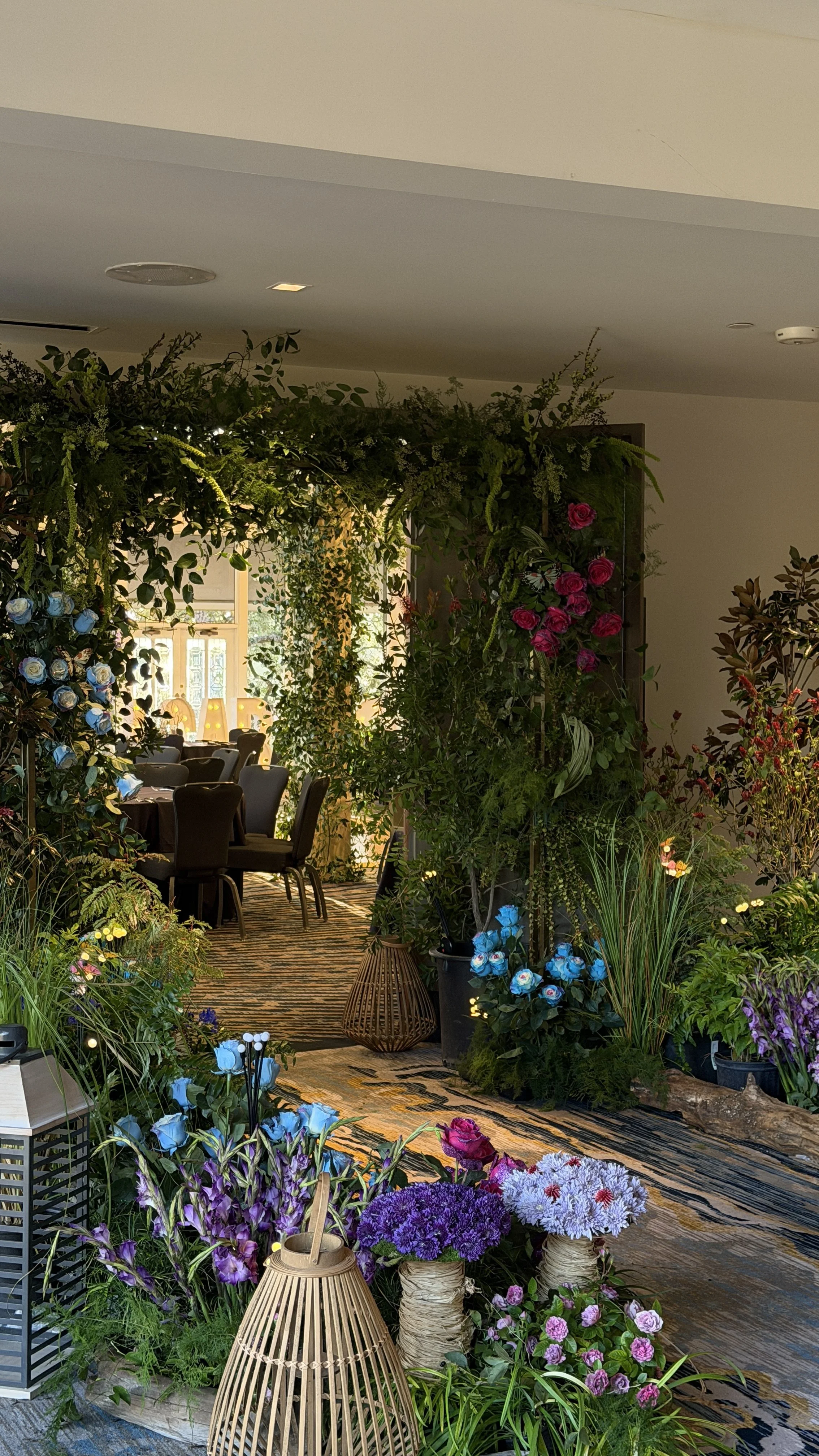
Flowers do more than decorate a venue. They frame the ceremony, shape the reception, direct attention, and establish the visual identity of the celebration. If florals are expected to make guests gasp when they enter the room, the budget has to support that assignment. ◇
Photographed by Eventfully Erin
How to Maximize Your Floral Investment
The most memorable wedding flowers are designed for impact, not scattered everywhere for the sake of quantity.
Consider prioritizing:
A statement ceremony installation
A sculptural sweetheart or head table
Elevated centerpieces on select guest tables
An entry, escort-card display, bar, or staircase that naturally draws attention
Floral moments positioned along important guest and photography sightlines
Not every corner needs flowers, and not every table needs the same centerpiece. Concentrating the floral investment in a few high-impact areas gives the entire venue more presence, while varied supporting designs create rhythm throughout the room. The goal isn’t to buy the greatest number of flowers. It’s to make sure the flowers you invest in have a job and know how to command the room.
